
Get Free Estimates for Logistics Services
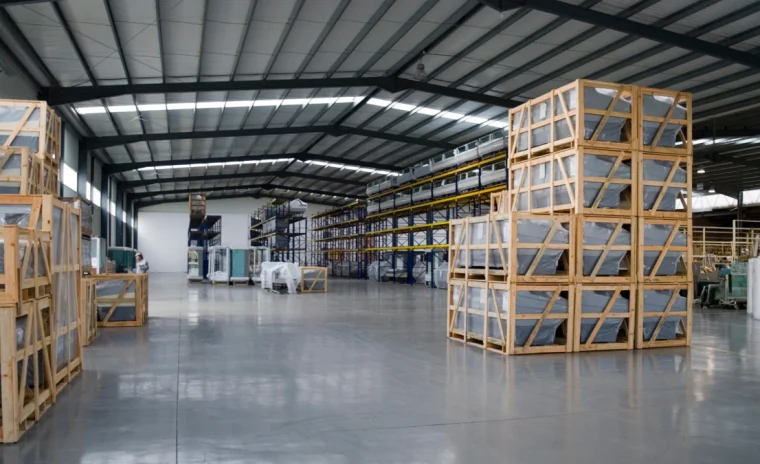
In today’s fast-paced and ever-changing retail landscape, businesses in Consumer Packaged Goods (CPG) industries face constant pressure to keep up with fluctuating consumer demand, especially during peak seasons. This makes seasonal demand management a critical aspect of supply chain operations. The need for adaptive, cost-effective, and scalable solutions has led to the rise of flexible warehousing as a key strategy for navigating these challenges.
Flexible warehousing provides companies with the ability to scale storage capacities and adapt to changing demands, all while reducing overhead costs. This strategic approach is particularly beneficial in CPG logistics, where demand spikes can lead to overburdened warehouses or, conversely, wasted space during off-peak times. In this blog post, we will explore the importance of flexible warehousing, how it can help businesses optimize seasonal demand management, and how it plays a vital role in adaptive warehousing solutions.
Understanding the Challenges of Seasonal Demand in CPG Logistics
Seasonality is a defining characteristic of the CPG industry. Retailers and manufacturers alike experience predictable spikes in demand during certain times of the year, such as holidays, back-to-school seasons, and special promotional events. These fluctuations are often unpredictable, with varying demand volumes from year to year.
Managing this volatility requires a flexible supply chain capable of adjusting quickly. Traditional warehousing solutions, while adequate for constant and predictable demand, often fall short when handling the sudden surge or lull that comes with seasonal spikes. This challenge is particularly apparent in CPG logistics, where keeping stock levels balanced—without overcommitting to costly storage space—can significantly impact profitability.
Here is where adaptive warehousing solutions can make a difference.

What is Flexible Warehousing?
At its core, flexible warehousing refers to the use of temporary or scalable storage solutions that allow businesses to increase or decrease their warehouse space in response to demand fluctuations. This dynamic approach enables businesses to better align their warehousing capacity with seasonal demand management needs, avoiding the pitfalls of underutilization or overcrowding.
Flexible warehousing typically involves collaborating with third-party logistics (3PL) providers who offer customizable storage options. These solutions allow businesses to rent space as needed, offering greater supply chain flexibility. Instead of committing to long-term contracts or large-scale warehouse spaces, businesses can scale their storage solutions up or down as demand dictates.
The Importance of Scalable Storage Options for CPG Logistics
Scalable storage options are crucial in CPG logistics for a number of reasons. First, during peak demand periods, storage needs can grow exponentially. Without flexible warehousing, businesses would need to lease larger, permanent spaces for storage, which could lead to wasted costs during the off-season.
By leveraging scalable storage options, businesses can efficiently manage inventory levels, ensuring that they only pay for the storage they need when they need it. This approach leads to significant cost savings and better inventory control, particularly when handling high volumes of goods during peak periods.
For example, a beverage company might experience a surge in demand during the summer months. With flexible warehousing, the company can increase storage capacity during the peak season and scale down as demand levels off. This not only provides cost-effective storage solutions but also allows businesses to manage inventory more effectively, preventing overstocking or stockouts.
Key Benefits of Flexible Warehousing in CPG Logistics
Flexible warehousing offers several advantages that make it an attractive solution for businesses operating in CPG logistics, particularly when managing seasonal demand. These include:
1. Cost Efficiency
When businesses face seasonal demand spikes, they often need extra warehouse space that they don’t require year-round. Committing to long-term leases for additional storage space can lead to significant wasted costs. Flexible warehousing eliminates this issue by offering businesses the ability to rent storage as needed, ensuring they only pay for what they use.
2. Enhanced Supply Chain Flexibility
Having the ability to scale storage options up or down based on demand provides supply chain flexibility that allows businesses to adapt to changing market conditions swiftly. Flexible warehousing empowers companies to respond faster to demand shifts, mitigating the risks associated with holding too much or too little inventory.
3. Improved Inventory Management
During peak seasons, companies may struggle to manage large volumes of goods. With adaptive warehousing solutions, businesses can ensure that inventory is stored and distributed efficiently. Real-time inventory tracking and visibility improve decision-making, allowing businesses to optimize their storage capacity and order fulfillment.
4. Mitigating Risks of Stockouts and Overstocking
Maintaining a delicate balance between supply and demand is crucial. Overstocking can lead to high storage costs, while stockouts can result in missed sales and unhappy customers. With flexible warehousing, businesses can effectively manage this balance, adjusting their storage space as needed to avoid both risks.
5. Access to Advanced Technology and Infrastructure
Partnering with a flexible warehousing provider gives businesses access to cutting-edge warehouse management systems (WMS), real-time tracking, and other technological tools. These features ensure smooth and efficient operations during peak seasons, which is particularly important when managing the complexities of CPG logistics.
How to Integrate Flexible Warehousing into Your CPG Logistics Strategy
Integrating flexible warehousing into a CPG logistics strategy involves a few key steps:
1. Assess Your Seasonal Demand Patterns
Start by analyzing your business’s historical demand data. Identifying when peak seasons occur and understanding demand fluctuations can help you predict future needs. This will help you determine when to increase your warehouse space and when to scale it back.
2. Partner with the Right 3PL Provider
Selecting a third-party logistics (3PL) provider is a critical decision when opting for adaptive warehousing solutions. Choose a provider that offers the level of flexibility you need, ensuring they can scale storage capacity in line with your seasonal demand management needs. Ensure they have the infrastructure, technology, and support necessary to meet your logistics requirements.
3. Leverage Technology for Seamless Operations
Modern warehouse management systems (WMS) are a game-changer when it comes to inventory tracking, order fulfillment, and real-time visibility. Partnering with a provider who offers advanced WMS capabilities ensures you can manage your inventory with ease, even during periods of high demand.
4. Establish Clear Communication and Coordination
Effective communication with your flexible warehousing provider is crucial. Establishing clear expectations for seasonal demand fluctuations, order volume, and inventory requirements will ensure a smooth collaboration. Frequent check-ins and transparent communication will prevent delays and mismanagement.
Conclusion
As seasonal demand management continues to play a pivotal role in CPG logistics, businesses must adapt to the evolving challenges of inventory storage and fulfillment. Flexible warehousing offers a powerful solution, providing scalable storage options and enhanced supply chain flexibility to meet the demands of fluctuating markets. By leveraging adaptive warehousing solutions, companies can optimize their storage costs, improve inventory management, and respond quickly to changes in demand. In doing so, they can remain competitive, efficient, and prepared for future growth.
By adopting flexible warehousing strategies, businesses in the CPG sector can streamline their operations, reduce risks, and capitalize on the opportunities that seasonal demand presents. It’s time to embrace the future of logistics, where flexibility, scalability, and adaptability are key to success.
At H&H Distribution Inc, we understand the complexities of managing seasonal demand and the importance of flexible warehousing in ensuring smooth operations. With over 30 years of experience in CPG logistics, our team is dedicated to providing tailored solutions that maximize supply chain flexibility and optimize storage costs.
Whether you need reliable logistics, scalable storage options, advanced technology integrations, or inventory management, our adaptive warehousing services are designed to meet the unique needs of your business. With a proven track record of exceptional customer service and consistent quality, you can trust us to support your logistics operations and help you navigate the challenges of seasonal demand with confidence.
